
GS1 Basics for Barcodes
GS1 standards define how GTINs, Application Identifiers, and trading-partner data stay consistent.

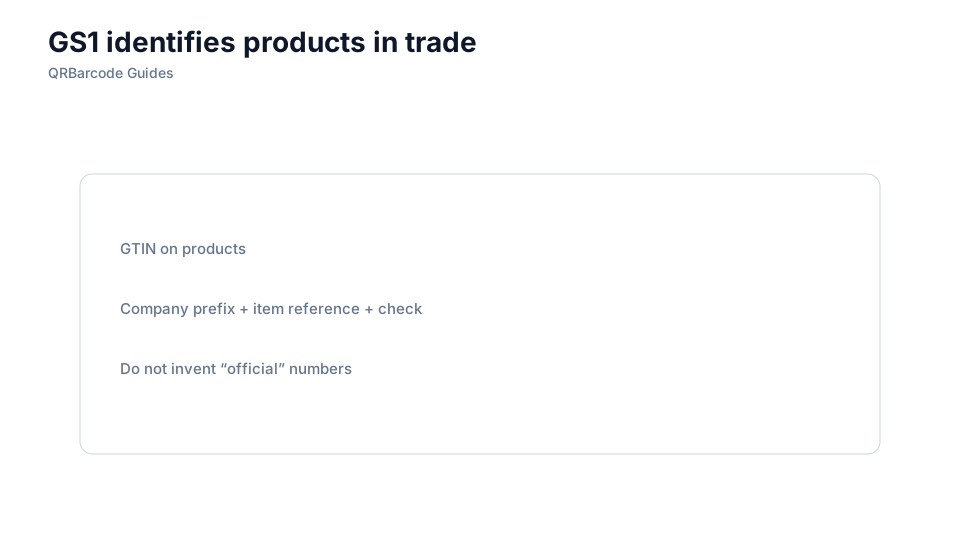
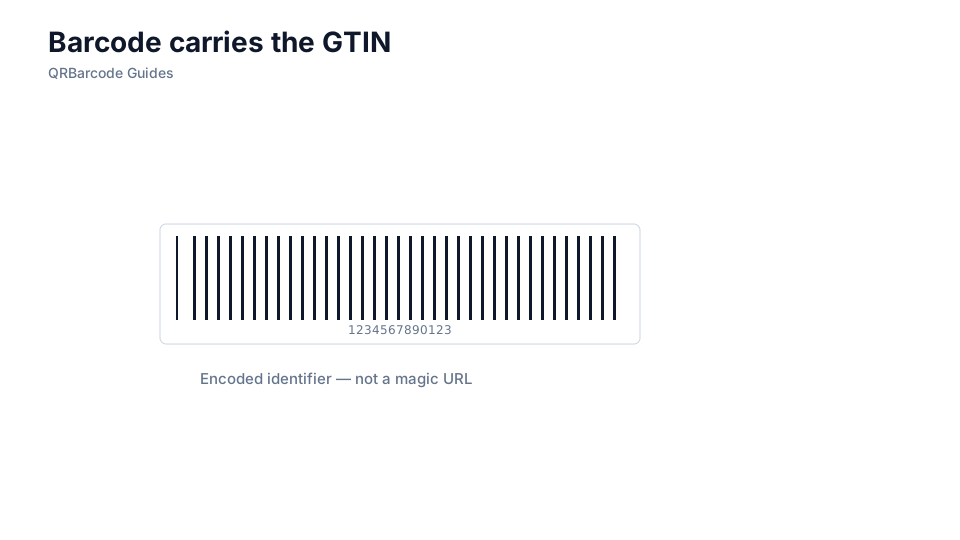
GS1 is the global standards body behind GTINs, company prefixes, and barcode identifiers used in retail, healthcare, and logistics. A GS1 company prefix anchors your product numbers so they stay unique worldwide. Before printing EAN or UPC artwork in the EAN-13 or UPC-A tools, confirm your GTINs are properly licensed and validate with Barcode Scan.
Why it matters
Marketplaces, big-box retailers, and hospital GPOs trust GS1 because duplicate or fabricated GTINs break supply chain traceability. Buying a cheap “barcode pack” online without a prefix license risks collisions with another brand’s items—and delisting when verification fails. GS1 basics are less bureaucracy than insurance for every label you print.
How to apply it
License a prefix length that covers your active SKU plan plus growth. Assign GTINs at each packaging level (each, inner pack, case, pallet) and encode them in the correct symbology. Learn check digit rules in check digits and regional format differences in EAN vs UPC before submitting artwork to retailers.
- Maintain a master GTIN registry—never reuse numbers across different products.
- Register new SKUs with sales channels only after barcode proofs scan cleanly.
- Use GS1 Application Identifiers in logistics labels when partners require SSCC or batch data.
- Renew prefix licenses on schedule so identifiers stay linked to your company.
Common mistakes
Copying a competitor’s GTIN “because it is the same product type” creates legal and operational risk. Another mistake is publishing a consumer GTIN on a shipper case without a GTIN-14 case code. If verification fails, audit prefix ownership before reprinting.
Recommended tools
Generate compliant symbols via the Barcode Generator, build retail codes in EAN-13 and UPC-A, and scan proofs in Barcode Scan.